Blog

Welcome

Hello and welcome to my site! Thank you for stopping by. I made this website to share my life. I hope you enjoy your visit. Fee free to comment. Enjoy!”

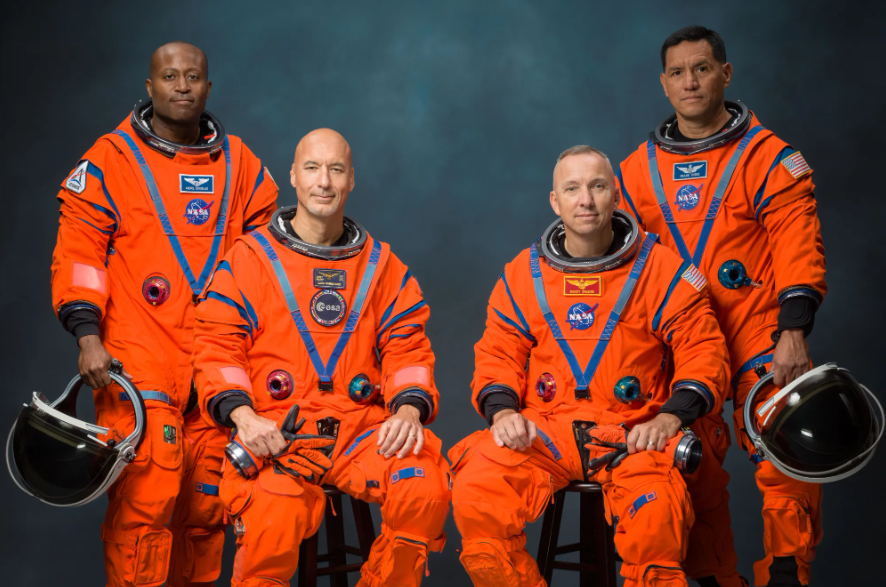
NASA Selects Astronaut Flight Crew for Historical Artemis III Mission

NASA held a monumental media event at Johnson Space Center in Houston, Texas, to formally announce the four astronauts selected for the historic Artemis III mission. The event updated the critical mission profiles and laid out the timeline for humanity’s upcoming return to the lunar surface. More info here: https://www.nasa.gov/news-release/nasa-marches-toward-artemis-iii-mission-in-2027-names-crew-members/

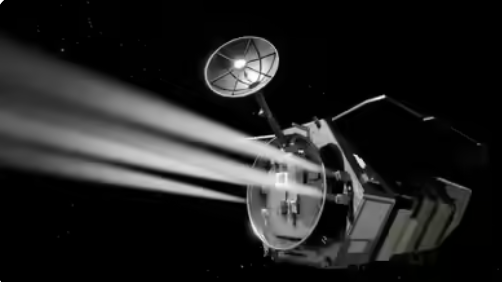
Deep Space Infrared Eye to Map Billions of Ancient Galaxies

Although the new Roman Space Telescope has a mirror similar in size to Hubble’s 2.4-metre mirror, the two telescopes are designed for entirely different purposes. Roman’s 300-megapixel Wide Field Instrument contains 18 advanced detectors and provides Hubble-like image quality while covering an area of sky at least 100 times larger in a single observation. More

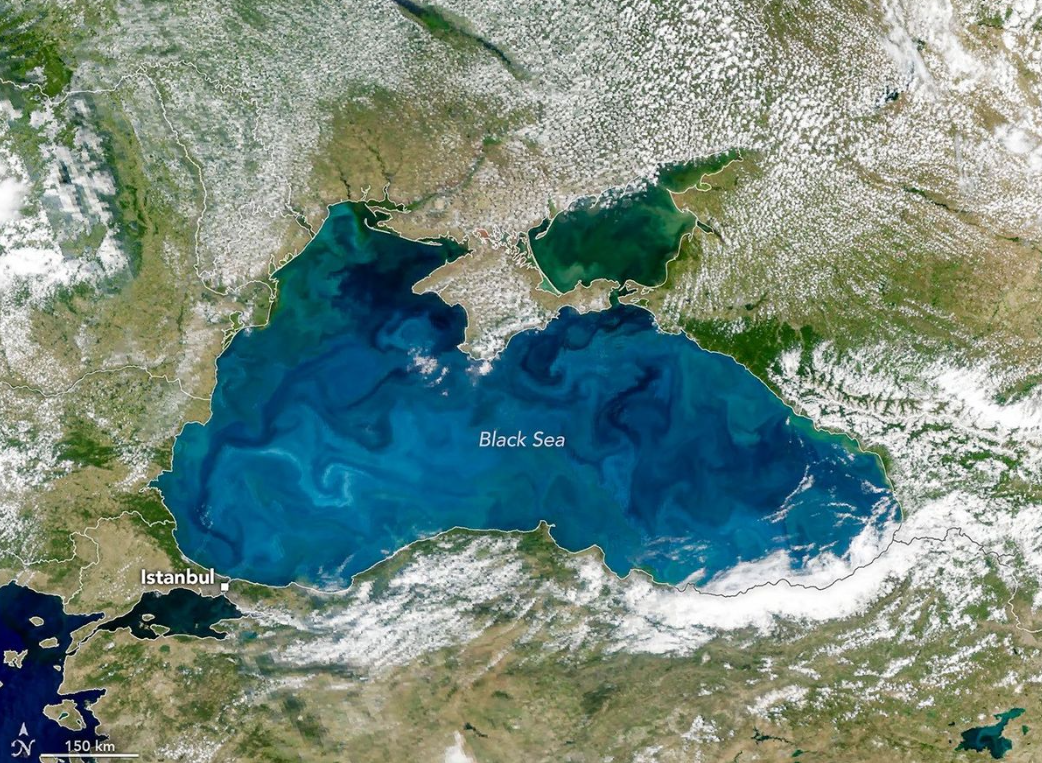
Satellites Capture Spectacular Turquoise Plankton Bloom in the Black Sea

Phytoplankton added a milky blue hue to the waters of the Black Sea and nearby waterways in spring and summer 2026. The Ocean Color Instrument (OCI) on NASA’s PACE satellite captured stunning images of the colorful waters, highlighting a massive seasonal shift visible from orbit. More info here: https://science.nasa.gov/earth/earth-observatory/a-turquoise-tint-for-the-black-sea/

James Webb Space Telescope Decodes Origins of Interstellar Comet 3I/ATLAS

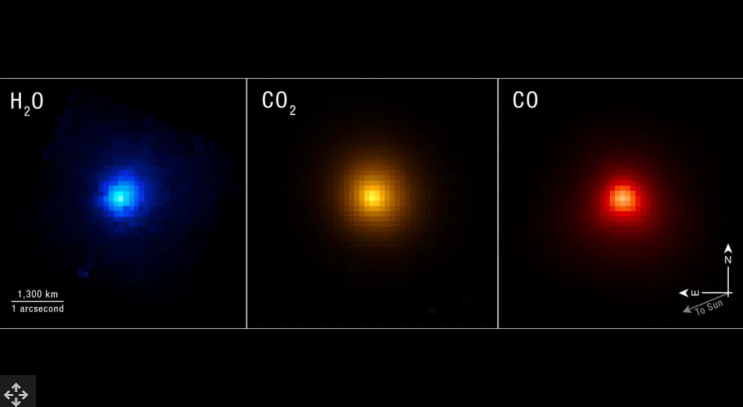
NASA’s James Webb Space Telescope is finding clues that are leading scientists closer to understanding the origins of the interstellar comet 3I/ATLAS. Using the advanced space observatory, astronomers found unique ratios of carbon and heavy hydrogen in 3I/ATLAS that have never been found in native comets inside our own solar system. More info here: https://www.space.com/astronomy/comets/nasa-looks-for-the-origins-of-interstellar-comet-3i-atlas-space-photo-of-the-day-for-june-24-2026

NASA’s Next-Gen Nancy Grace Roman Space Telescope Arrives in Florida

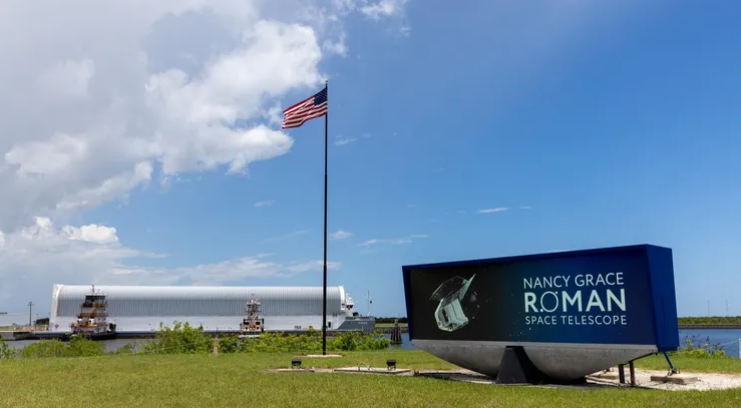
NASA’s Nancy Roman Grace Space Telescope arrived at the Kennedy Space Center (KSC), in Florida, on Sunday (June 21), for final tests ahead of launching later this summer. Roman’s work platform inside the facility will allow engineers to perform final checkouts on the spacecraft, including tests of the telescope’s six solar panels, insulation, and heat


Tech Innovators Deploy Systems to Eradicate Toxic “Forever Chemicals”

Forever chemicals or PFAS (per- and polyfluoroalkyl substances) were designed to resist heat, water and chemical breakdown. Now they are causing severe environmental issues. New methods are now emerging that superheat water, apply electrical currents or use UV-driven chemical reactions to crack stubborn PFAS bonds and clean up our global water supplies. More info here:

Everything-to-Grid Energy Mobilization Becomes Top Tech of 2026

Electricity grids peak in late afternoon and early evening as energy use rises with people returning home, cooking dinner and engaging in after-work activities. At the same time, energy generation from renewable resources like solar ebbs away as the sun goes down. Instead of ramping up thermal plants, everything-to-grid technology mobilizes distributed assets like electric

US Executive Actions Taken to Secure and Promote Advanced AI

The United States continues to lead the world in Artificial Intelligence (AI) because of the enormous talent and innovation of our AI industry, and because we refuse to stifle this innovation with overly burdensome regulation. This administration has unleashed tremendous technological growth and economic investment in AI by slashing the bureaucratic constraints placed on America’s

The Rising Environmental Footprint of Modern Artificial Intelligence

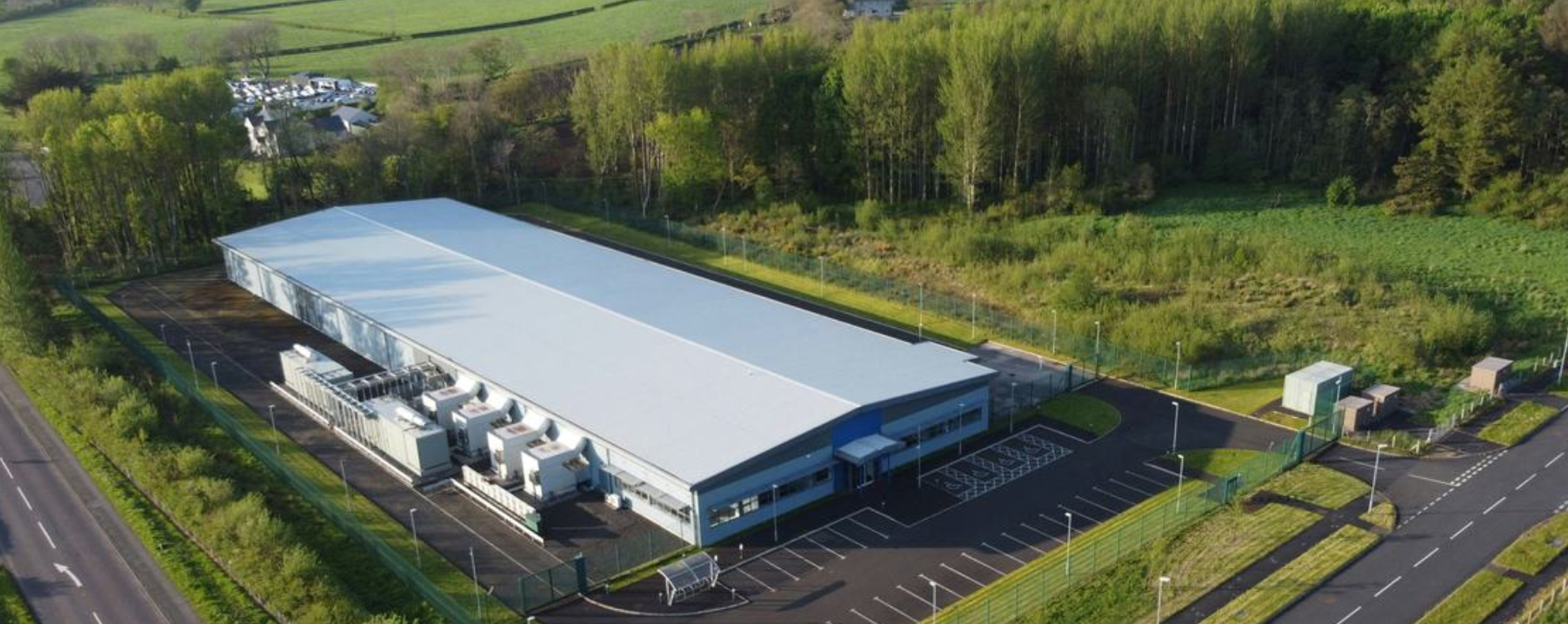
Artificial Intelligence is not only responsible for worrying amounts of earth-warming greenhouse gases: the technology’s environmental footprint is also expanding at a pace that could strain the planet’s natural resources. Data centres, the global infrastructure powering AI, could consume 945 terawatt-hours of electricity annually by 2030 – nearly triple the combined annual electricity use of

IBM Debuts World’s First Sub-1 Nanometer Chip Technology

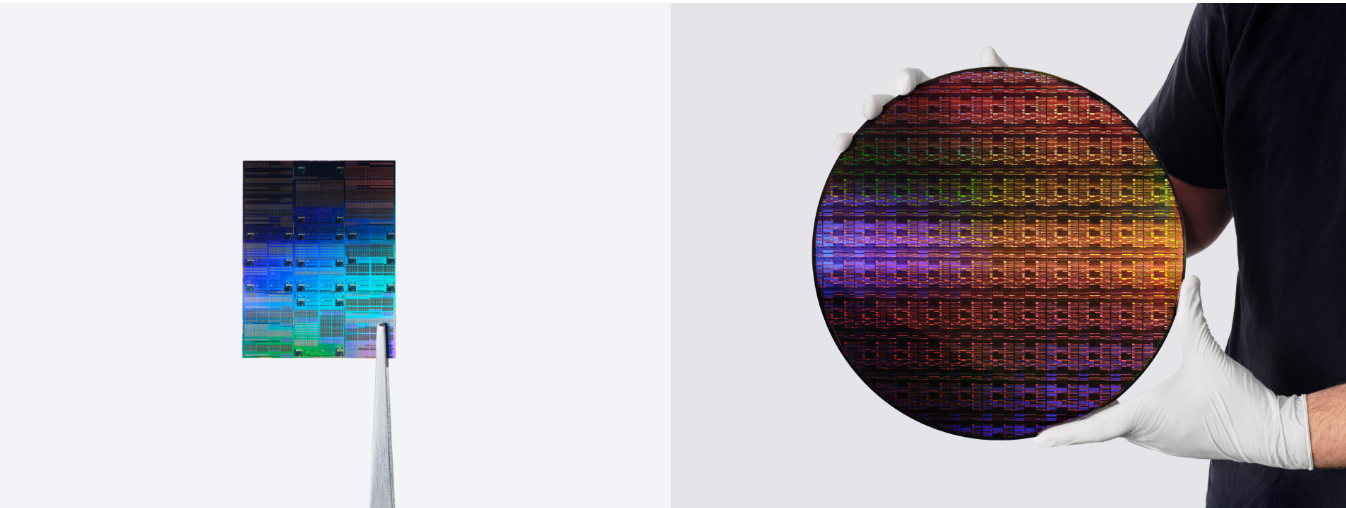
YORKTOWN HEIGHTS, NY, June 25, 2026 – IBM (NYSE: IBM) today unveiled a major semiconductor breakthrough with the introduction of the world’s first sub-1 nanometer (nm) chip technology, featuring a revolutionary transistor architecture at the 0.7 nm, or 7 angstrom node. The achievement marks a landmark moment for an industry facing the physical limits of traditional chip scaling.